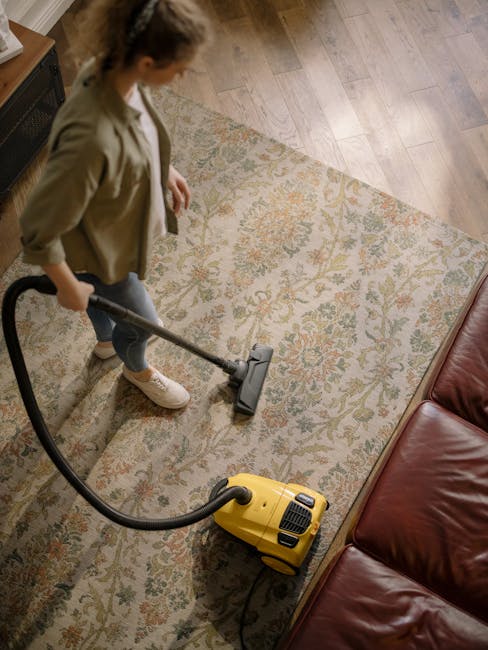
What to know about carpet cleaning access in Surbiton flats
If you live in a flat in Surbiton, carpet cleaning can be straightforward in theory and slightly fiddly in real life. That's usually the part nobody mentions. What to know about carpet cleaning access in Surbiton flats comes down to more than booking a machine and turning up on the day. You also need to think about entry codes, parking, stairs, shared hallways, lift access, drying time, and how much disruption the building can realistically handle.
Get the access right, and the clean feels easy. Get it wrong, and you can end up with delays, awkward knocks on neighbours' doors, or a technician standing at the wrong entrance with a hose and a wet vac. Not exactly ideal. This guide breaks down the practical side in plain English, so you know what to prepare, what to ask, and how to avoid the usual headaches in Surbiton flats.
Table of Contents
- Why access matters in Surbiton flats
- How carpet cleaning access usually works
- Key benefits and practical advantages
- Who this is for and when it makes sense
- Step-by-step guidance
- Expert tips for better results
- Common mistakes to avoid
- Tools, resources and recommendations
- Law, compliance, standards, or best practice
- Options, methods, or comparison table
- Case study or real-world example
- Practical checklist
- Conclusion
- Frequently Asked Questions
Why What to know about carpet cleaning access in Surbiton flats Matters
Flat living changes the job. In a house, the cleaner can often park close, bring gear through one front door, and get on with it. In a Surbiton flat, access may involve communal doors, timed entry, restricted parking, or a narrow stairwell that seems designed by someone who never carried a machine upstairs. That affects price, timing, setup, and sometimes even the cleaning method itself.
It also matters because carpet cleaning is not just about appearance. A well-planned visit reduces the chance of damp patchiness, trip hazards from hoses, awkward delays in communal areas, and avoidable friction with neighbours. Truth be told, most access problems are not dramatic; they're just annoying enough to waste time.
There's also a trust angle. When a cleaner asks sensible questions in advance about entry, parking, and building rules, that's usually a good sign. It shows they are thinking like a professional, not just a person with a machine and optimism.
If your flat is part of a managed block, access planning can also help you protect shared spaces. Hallways, lifts, and entrances are often busy. A bit of preparation keeps the job tidy and respectful, which goes a long way in smaller buildings where everybody notices everything.
Practical takeaway: the best carpet clean in a flat is often the one that is planned before the van arrives. Access details are not admin fluff; they are part of the service.
How What to know about carpet cleaning access in Surbiton flats Works
Access usually starts with a simple pre-visit conversation. A cleaner will want to know the type of building, whether there is a lift, how many flights of stairs are involved, where parking is available, and whether there are any restrictions on using hoses, water, or equipment in communal areas. That sounds basic, but it saves a lot of back-and-forth on the day.
In many Surbiton flats, the process looks something like this:
- Confirm the flat type and floor level.
- Check how the cleaner can enter the building.
- Confirm where the van can park and unload.
- Agree whether a lift can be used for equipment.
- Prepare the room or rooms to be cleaned.
- Allow time for setup, cleaning, and drying.
If the building has a concierge, management office, or strict entry rules, that needs to be shared early. The same goes for PIN codes, fobs, or someone needing to buzz the cleaner in. It sounds obvious, but you'd be surprised how often a clean starts with "I thought someone would be here".
Different methods can affect access too. Hot water extraction, often called steam cleaning, may need more setup space and drying time than a low-moisture approach. In a compact flat, that can matter quite a bit. If a cleaner is bringing extra hoses or a larger machine, they may need a clearer route from the entrance to the flat itself. The fewer surprises, the smoother the day.
It's worth asking whether furniture needs moving before arrival, or whether the cleaner will work around items already in place. A narrow hallway in a Surbiton flat can turn a simple job into a game of Tetris if this part is not discussed beforehand.
Key Benefits and Practical Advantages
Good access planning may not sound glamorous, but it pays off in real ways. The main benefit is a smoother visit, and that usually means less stress for you and a more efficient clean overall. You are also more likely to get an accurate quote when the cleaner understands the building layout in advance.
Here are the practical wins most people notice:
- Fewer delays: no waiting around while someone finds parking or a spare key.
- Cleaner communal areas: equipment is moved with less fuss and less risk of mess.
- Better timing: the job can be scheduled with realistic expectations.
- More accurate pricing: stairs, parking, and access challenges can affect cost.
- Less disruption: neighbours and building users are disturbed less.
- Safer handling: fewer awkward lifts, trips, or blocked doorways.
There is another benefit that people sometimes overlook: better drying outcomes. If a cleaner can set up properly and work efficiently, carpets tend to be left in a more even condition. That matters in flats where you may not have loads of ventilation or where you need to use the room again the same day.
And let's face it, nobody wants to juggle a wet carpet, a cup of tea, and a cat who thinks the drying patch is a new sleeping zone.
Who This Is For and When It Makes Sense
This topic matters most if you live in, manage, or let a flat in Surbiton and you are arranging carpet cleaning. That includes owner-occupiers, tenants preparing for a check-out, landlords refreshing a rental between occupants, and letting agents dealing with end-of-tenancy turnover.
It also matters if your flat sits in one of those buildings where access is a bit of a puzzle. For example:
- basement flats with narrow external stairs
- top-floor flats without a lift
- blocks with security entry systems
- newer developments with parking bays and loading rules
- older conversions where hallways are compact and storage is tight
If you are only cleaning one bedroom carpet, access is still worth checking. Small jobs can become disproportionately awkward if the cleaner cannot park nearby or has to carry equipment up several flights. On the flip side, if you are cleaning multiple rooms, getting access right becomes even more important because the time saving is noticeable.
This is also useful for people who have sensitive schedules. Perhaps you work from home, perhaps you have children napping, perhaps you just dislike a chaotic afternoon. Fair enough. Access planning helps you choose the right time slot and minimise interruption.
Carpet cleaning in a flat is rarely difficult in principle. It just works better when the access side is treated as part of the job, not a footnote.
Step-by-Step Guidance
If you want the visit to run smoothly, a simple process is usually enough. No drama. No spreadsheets unless you love that sort of thing.
1. Check building access details first
Before you book, confirm how the cleaner gets in, whether there is a buzzer, and whether anyone needs to meet them at the door. If you have an entry fob system, say so early. If the building has a strict no-call policy or a locked rear entrance, say that too.
2. Ask about parking and unloading
Parking can be the difference between a neat arrival and a frustrating delay. If there is a resident bay, visitors' parking, a loading area, or timed restrictions, mention it. If none is available, tell the cleaner where the nearest practical spot is. A good cleaner would rather know the awkward bit in advance than discover it at 9:00 on the dot.
3. Measure the route, not just the room
Think about the path from van to flat. Can a machine pass through the hallway? Are there tight turns on the stairs? Is there a lift, and if so, does it fit larger equipment comfortably? Sometimes the room itself is easy, but the route there is the real issue.
4. Clear the areas that matter
Move small items, chargers, baskets, and anything fragile from the carpeted area. If the cleaner will move furniture, ask which items are included and which are not. In a flat, a little extra prep makes a visible difference because space is limited from the start.
5. Confirm drying expectations
Ask how long the carpet is likely to stay damp and what ventilation is recommended. A Surbiton flat may warm up nicely in the afternoon sun, or it may stay cool and shaded. The building itself affects drying more than people expect. Open windows if possible, but do so only if it is safe and practical.
6. Make post-clean access easy
Once the work is done, keep a clear route for the cleaner to leave, pack away, and carry damp equipment back out without bumping into people or furniture. It sounds small. It matters.
Expert Tips for Better Results
Here's the thing: the best results usually come from the cleaner and the resident both thinking one step ahead. In our experience, a few details make a surprisingly big difference in flats.
- Share photos if the setup is unusual. A picture of the stairwell, entrance, or parking area can prevent guesswork.
- Be honest about access problems. "There's parking nearby" is not the same as "there's parking directly outside". Small difference, big impact.
- Schedule with your building's rhythm in mind. Early morning may be better than late afternoon if the entrance is busy.
- Check noise considerations. Vacuuming, extraction, and door opening can be noticeable in a quiet block.
- Think about ventilation. Windows, extractor fans, and room temperature all affect drying.
- Ask what equipment will be brought. Portable machines are easier in some flats; larger setups suit others. There is no single perfect answer.
If you have pets, children, or shared access with other residents, plan around them. A half-hour delay because someone is walking a dog through the lobby can be enough to throw the whole day off. Not the end of the world, just one of those urban-life moments.
One more small but useful point: if the flat has delicate stair carpet, common-area runners, or freshly painted walls, mention it. Better to protect the building than to apologise later.
Common Mistakes to Avoid
Most access problems are preventable. The usual mistakes are simple, and that is exactly why they happen so often.
- Assuming parking will be fine: "We'll sort it on the day" is a gamble.
- Forgetting about entry instructions: fobs, buzzers, concierge desks, and temporary codes all need sharing.
- Ignoring stair access: one narrow staircase can change the whole plan.
- Leaving furniture in the way: this slows everything down and can limit the cleaning coverage.
- Not checking drying time: people sometimes book too close to work calls, visitors, or moving-out deadlines.
- Understating the job: if there are pet areas, heavy traffic marks, or old stains, say so upfront.
Another mistake is treating the quote as the only thing that matters. A cheaper price can look good until access turns the appointment into a longer visit or a second trip. It is better to compare what is actually included and how the cleaner plans to handle the building layout.
And yes, occasionally someone does forget to tell the cleaner the flat is on the fourth floor with no lift. That conversation is always a bit of a moment.
Tools, Resources and Recommendations
You do not need specialist equipment yourself, but a few simple tools and documents help a lot.
- Phone photos: handy for showing the entrance, stairs, or parking layout.
- Building instructions: save any access notes from your management company or landlord.
- Room measurements: useful if the cleaner needs to assess machine fit or furniture movement.
- Basic cleaning prep items: a laundry basket for loose items, a dustpan for debris, and some towels for small spill risks.
- Calendar reminders: useful for entry times, key handovers, or parking permit windows.
If you want to compare service options, it helps to look at the cleaner's specialist pages too. For example, some flats may benefit from a quicker drying approach such as steam carpet cleaning, while homes with sofas, rugs, or pet-related issues may also need sofa cleaning, rug cleaning, or pet stain odour removal.
For booking clarity, it can also help to review pricing and quotes before you confirm a visit. And if you want to understand how the business handles customer data, security, and service expectations, pages like terms and conditions, privacy policy, and insurance and safety can be useful to read.
Law, Compliance, Standards, or Best Practice
For most flat residents, the main compliance issues are practical rather than legal. That said, best practice matters. Shared buildings often have their own rules about entry, noise, parking, waste, and use of communal spaces. If your lease, managing agent, or building rules set conditions for visitors and contractors, those should be followed.
There may also be health and safety considerations. Wet floors create slip risks, so a professional cleaner should work carefully, keep hoses tidy, and avoid blocking exits. In a flat, that is even more important because corridors can be narrow and people often pass through shared areas quickly.
If equipment or cleaning waste needs handling, the cleaner should dispose of it responsibly and avoid leaving anything behind in common areas. For more on how this is approached locally, see the company's health and safety policy and, where relevant, the recycling and sustainability page.
For renters, it is also sensible to check your tenancy obligations. End-of-tenancy conditions can vary, but a carpet clean often needs to be arranged with access and timing that fit the move-out plan. If you are preparing a rental, the page on end-of-tenancy cleaning may help you think through the wider handover.
None of this needs to be overcomplicated. The practical standard is simple: respect the building, protect the floors, and make access arrangements clear enough that nobody is guessing on the day.
Options, Methods, or Comparison Table
Different flat layouts suit different cleaning approaches. Below is a simple comparison to help you think it through. This is not a one-size-fits-all rule, just a useful guide.
| Approach | Best for | Access considerations | Typical advantages |
|---|---|---|---|
| Hot water extraction / steam cleaning | General carpet refresh, deeper soil removal | May need more setup space, hoses, and drying time | Thorough clean, strong results on embedded dirt |
| Low-moisture cleaning | Busy flats, quicker turnaround | Often easier where access is tight or ventilation is limited | Shorter drying time, less disruption |
| Spot or stain treatment only | Small localised marks | Minimal access impact, but still needs clear working space | Fast and targeted |
| Whole-flat deep clean bundle | Move-outs, post-rental refresh, larger jobs | Requires good parking, timing, and room-by-room access | Convenient if multiple surfaces need attention |
If your flat has mixed soft furnishings, you may also want to coordinate carpet cleaning with upholstery cleaning or curtain cleaning. That can be more efficient than booking separate visits, especially if access is tricky and you'd rather do it once.
Sometimes the best method is simply the one that fits the building. A top-floor flat with limited lift access may do better with a lighter setup. A ground-floor flat with easy parking might allow for a more robust clean. Practical beats theoretical here, every time.
Case Study or Real-World Example
Here is a typical scenario from a Surbiton flat, simplified but very familiar.
A renter in a second-floor flat arranged a carpet clean before moving out. The flat had a secure entrance, no lift, and limited parking outside. At first, the job looked simple enough. Then the resident realised the building fob had to be collected from a neighbour, the nearest legal parking was a short walk away, and the hallway was too narrow for furniture to remain in place.
Once those details were sorted in advance, the job became much easier. The cleaner arrived with the right expectations, brought equipment suited to the stairs, and avoided carrying extra gear up and down more than necessary. The resident cleared the room beforehand, opened windows for airflow, and allowed enough drying time before handover.
The result was not just a cleaner carpet. It was a calm end-of-tenancy day. No rushing, no awkward exchanges in the hallway, and no last-minute scramble to find the key. That's the real value of good access planning. It removes the faff. Simple as that.
Practical Checklist
Use this checklist before the appointment. It saves time and, honestly, a fair bit of stress.
- Confirm the flat number and full address.
- Share the exact entry method: buzzer, fob, code, concierge, or meet-and-greet.
- Check where the cleaner can park and unload.
- Note whether there is a lift or stairs only.
- Measure tight hallways, doors, or corners if access is limited.
- Tell the cleaner about pets, children, or time-sensitive routines.
- Move loose items, fragile objects, and valuables out of the carpeted areas.
- Ask how long the carpet will take to dry.
- Confirm what furniture will be moved, if any.
- Check any building rules on shared space use, noise, or visitor parking.
- Prepare towels or mats for the route if advised.
- Keep your phone close in case the cleaner needs to message on arrival.
Quick self-check: if the cleaner arrived five minutes early, could they get in, park, and start without waiting for you? If the answer is yes, you are in good shape.
Conclusion
What to know about carpet cleaning access in Surbiton flats is really about planning the practical bits that sit around the clean itself. Entry, parking, stairs, drying time, building rules, and room layout all shape how smoothly the job goes. Once you understand those moving parts, the whole experience becomes easier, more efficient, and a lot less stressful.
If you are booking carpet cleaning in a flat, do not just ask about price. Ask about access. Ask about timing. Ask what the cleaner needs from you. That one habit can save you a surprising amount of hassle, and it usually leads to better results too.
And if the first clean in a new flat feels like a lot of small details, that's normal. It settles down. After one smooth visit, you'll know the drill.
Get a free quote today and see how much you can save.
When the access is clear, the rest tends to fall into place. Nice and calm. Just how it should be.
Frequently Asked Questions
How do I prepare access for carpet cleaning in a flat?
Share the building entry method, parking details, floor level, and any lift or stair information before the appointment. If the cleaner needs a fob, code, or someone to meet them, say so early.
Do carpet cleaners need parking right outside the block?
Not always, but closer parking usually helps. If parking is limited, tell the cleaner where the nearest practical option is. A short walk can be fine if they know about it in advance.
Can carpet cleaning be done in flats with no lift?
Yes, many flat cleans happen without a lift. The key is being clear about stairs, turns, and how far the equipment must be carried. That lets the cleaner plan properly.
Will carpet cleaning disturb my neighbours?
There may be some noise from vacuums and extraction equipment, but a well-planned visit should keep disruption low. Booking at a sensible time and avoiding shared-space congestion helps a lot.
How long does carpet take to dry in a flat?
Drying time depends on the method used, airflow, carpet type, and room temperature. Flats can sometimes dry a bit slower if ventilation is limited, so ask for a realistic estimate before the job starts.
Should I move furniture before the cleaner arrives?
Small items should usually be moved beforehand. For larger furniture, ask what the cleaner will handle and what should stay put. It's better to clarify that upfront than guess on the day.
Is steam cleaning suitable for flat carpet access?
Often yes, but it depends on the space, the building layout, and drying needs. In tighter flats, a low-moisture method may sometimes be more practical. The best option depends on the room and the route in.
What if my building has strict visitor rules?
Let the cleaner know as soon as possible. Building rules, concierge procedures, and timed access windows can affect the appointment, so they should be built into the booking rather than handled last minute.
Can carpet cleaning be combined with other services in a flat?
Yes, and that can be efficient if access is limited. Many people combine carpet cleaning with sofa, rug, or stain treatment in one visit so the cleaner only needs to manage access once.
How do I know if a quote includes access difficulties?
Ask whether stairs, parking, extra carrying, or restricted entry affect the price. A proper quote should explain any access-related costs clearly, rather than hiding them in the small print.
What is the biggest mistake people make with flat carpet cleaning?
The biggest mistake is underestimating the building access side. Even a simple job can become stressful if parking, entry, or drying time was never discussed. A few minutes of planning prevents that.
Who should I speak to if the flat is managed by an agent or landlord?
Start with whoever controls entry and building rules. That may be the landlord, managing agent, concierge, or building office. Having one clear point of contact keeps the appointment moving smoothly.