Surbiton council rules for waste from cleaning jobs: a practical guide for cleaners, landlords, and homeowners
If you are dealing with leftover water, dirty cloths, vacuum debris, old sealants, or packaging after a cleaning job, the Surbiton council rules for waste from cleaning jobs can feel oddly specific. And yet, they matter. A lot. The difference between disposing of waste properly and treating it as an afterthought can affect hygiene, neighbour complaints, collection issues, and whether your work looks professional from start to finish.
In plain English, this guide explains how cleaning waste should be handled in and around Surbiton, what councils generally expect, where people go wrong, and how to keep your cleaning jobs tidy, compliant, and far less stressful. Whether you run a small cleaning service, manage commercial properties, or just want to clear up after a one-off deep clean, you will find something useful here.
There is no drama in doing this properly. Just less mess, fewer headaches, and a cleaner result all round.
- Why the rules matter
- How waste handling usually works
- Key benefits and practical advantages
- Who this is for
- Step-by-step guidance
- Expert tips for better results
- Common mistakes to avoid
- Tools, resources and recommendations
- Law, compliance, standards and best practice
- Options and comparison
- Real-world example
- Practical checklist
- Conclusion
- Frequently asked questions
Why Surbiton council rules for waste from cleaning jobs Matters
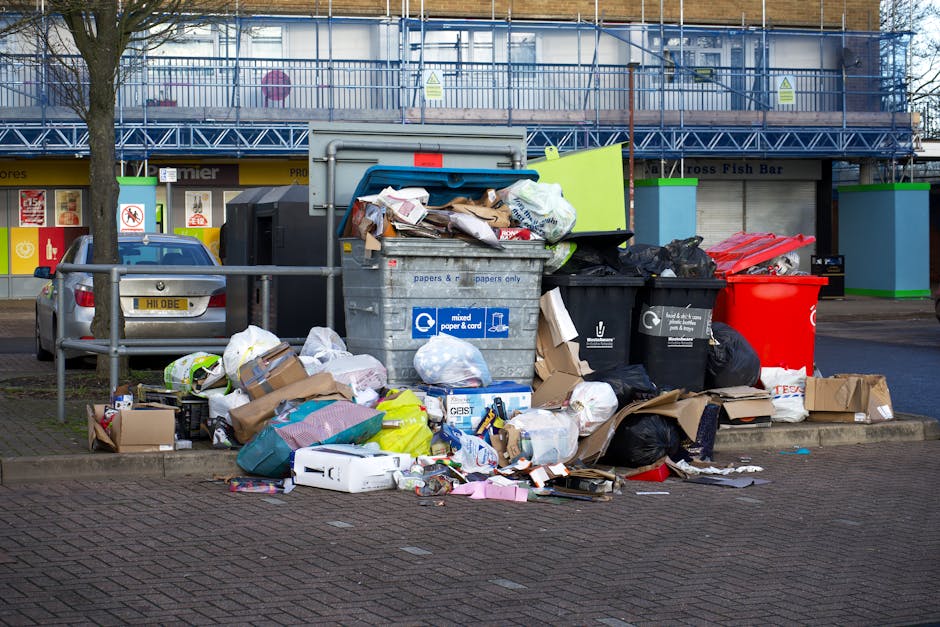
Cleaning jobs create more waste than many people expect. It is not only the obvious stuff like vacuum dust, wipedown cloths, or packaging from products. A job can also leave behind wastewater, old PPE, disposable pads, protective sheeting, contaminated paper towels, broken fittings, or removed carpet fibres. If you are working in a busy home, an office, or a rental property, all that material needs a sensible route out of the property.
The main reason the rules matter is simple: waste from cleaning should not become a nuisance or a health issue. If it is dumped in the wrong bin, left outside too long, or poured down a drain without checking what it contains, problems tend to follow. You may get odours, blocked drains, complaints from neighbours, or awkward conversations with a property manager. Nobody wants that on a Friday afternoon.
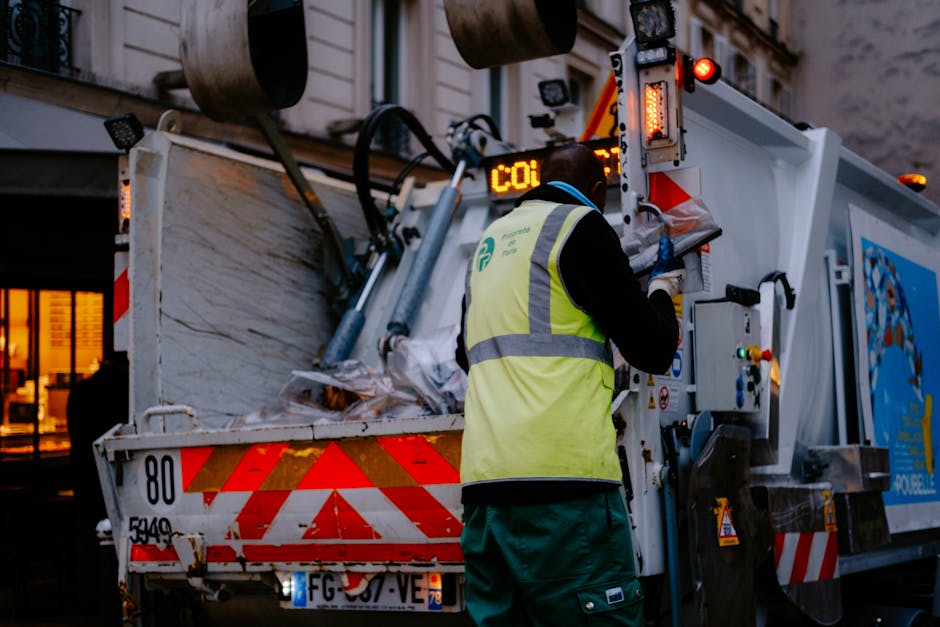
There is also the professional side. A well-run cleaning job does not finish when the surfaces are clean. It finishes when the waste has been separated, contained, and removed in a way that makes sense for the property and the local area. That is especially relevant in Surbiton, where many homes, flats, shared entrances, and managed buildings have tighter storage and collection arrangements than people realise.
Practical takeaway: treat waste management as part of the cleaning job itself, not as a separate chore at the end. It saves time, looks better, and reduces the chances of avoidable issues later.
How Surbiton council rules for waste from cleaning jobs Works
While you should always check the latest local instructions directly with the council or property manager, the basic structure is familiar across UK local waste practice. The key idea is that waste should be sorted correctly, stored safely, and presented in the right way for collection or removal. That sounds dry, but it is the bit that keeps everything manageable.
For cleaning work, the waste usually falls into a few broad categories:
- General waste: dust, vacuum contents, disposable wipes, paper towels, and non-recyclable packaging.
- Recyclable waste: clean cardboard, certain plastic containers, and other recyclable packaging if it is accepted locally and not contaminated.
- Liquid waste: wastewater from extraction cleaning, mop water, or rinse water that may need careful disposal.
- Special or controlled waste: items contaminated with chemicals, sharps, bodily fluids, mouldy materials, or anything that needs a more cautious route.
The practical rule is this: the cleaner the waste stream is kept, the easier it is to dispose of responsibly. A bucket of dirty rinse water is not the same as a bag of dry paper towels. Mixing everything together is where problems begin.
If you use specialist services for tasks such as steam carpet cleaning or upholstery cleaning, you may also generate wastewater, lifted debris, and used materials that need immediate containment. That is normal. The important thing is not to leave it to chance.
A sensible approach is to prepare before the job starts: know where waste will be bagged, which bin it can go in, whether any liquid needs decanting, and whether the premises has a rules-heavy refuse area, as many managed buildings do. It is a small bit of planning, but it changes the whole job.
Key Benefits and Practical Advantages
Good waste handling is not just about avoiding a fine or a complaint. In real life, the benefits are immediate and visible.
- Cleaner handover: the property looks finished, not half-finished.
- Better hygiene: waste does not sit around attracting smells or pests.
- Fewer collection issues: bags and containers are less likely to be rejected or split open.
- Less risk of damage: liquid spills and contaminated materials are contained early.
- Better client confidence: customers notice when a cleaner is tidy and organised.
- More efficient jobs: you spend less time tidying up at the end because the system was in place from the start.
There is also a softer advantage that people underestimate. When a customer sees the waste managed properly, the whole job feels more trustworthy. The room is clean, sure, but the process behind it also feels controlled. That counts for a lot, especially in homes with children, pets, or elderly residents who are understandably cautious about mess and hygiene.
For businesses, good waste handling can support a broader sustainability approach too. If you want to reduce avoidable landfill waste, start with the basics: separate recyclable packaging, avoid overusing disposables, and choose cleaning materials with sensible disposal instructions. For more on this broader approach, see our page on recycling and sustainability.
Who This Is For and When It Makes Sense
This topic is not just for professional cleaners, though they have the most to gain from getting it right. The rules and best practice apply to a wide set of people and situations.
- Domestic cleaners who leave behind waste from deep cleans or one-off refresh jobs.
- Carpet and upholstery cleaners managing extracted waste water, fibres, and used cloths.
- Landlords and letting agents dealing with end-of-tenancy clearance and cleaning remnants.
- Office and commercial property managers overseeing shared bins, access rules, and collection schedules.
- Homeowners doing spring cleans, post-renovation tidying, or stain removal work.
- Small facilities teams trying to keep a building presentable without overcomplicating waste handling.
It makes sense any time the cleaning job creates more than just a few wipes in the bin. If you are bringing equipment, water, detergents, or disposable materials onto a site, waste planning should be part of the job sheet. Simple as that.
For example, a sofa refresh in a ground-floor flat will probably create modest waste. A full commercial clean after an event, though, can create bins full of packaging, cloths, and residue that need a more structured plan. The scale changes, but the principle stays the same.
Step-by-Step Guidance
If you want a practical way to handle cleaning waste in Surbiton, use this sequence. It is not fancy, but it works.
- Identify the waste before you start. Walk through the job and note whether you will create dry waste, wet waste, chemical residue, or bulky packaging.
- Separate waste at source. Keep recyclable packaging apart from contaminated wipes and keep liquids away from dry bagged waste.
- Use the right container. Strong bags, lidded buckets, or sealed tubs all help prevent leaks and mess.
- Check site collection rules. Shared buildings and commercial premises often have their own bin storage, access windows, or contractor instructions.
- Dispose of wastewater carefully. Only drain liquid where it is appropriate to do so, and be cautious if the water contains chemicals, soil, grease, or unusual contamination.
- Remove waste promptly. Do not leave bags in hallways, gardens, or loading areas longer than necessary.
- Confirm the job is clear. Final walk-through, bins closed, no spill marks, no forgotten cloths, no odd odours. The little things matter.
If you work on regular maintenance contracts, this sequence becomes second nature after a while. On a one-off job, it is worth slowing down and checking each step. Better a quiet extra five minutes than a messy follow-up call later in the day.
Expert Tips for Better Results
In our experience, the best waste systems are the boring ones. No theatrics. Just a few habits repeated every time.
Use separate bags for separate waste types. Wet cloths and dry debris should not sit in the same container if you can avoid it. Damp waste quickly turns unpleasant, and it can leak at the worst possible moment. Usually on the stairs. Of course.
Carry a small waste kit. A couple of heavy-duty bags, disposable gloves, a spare sealable tub, and absorbent material for spills can save a lot of trouble. If you are already carrying cleaning tools, the extra kit is hardly noticeable.
Label or mentally track contaminated waste. You do not need a complicated system, just enough awareness to stop the wrong thing going in the wrong bin. Once contaminated, some waste may no longer be suitable for recycling.
Think about odour control. Cleaning waste can smell very quickly, especially in warm weather or when you are dealing with pet-related jobs. A tied bag and a prompt exit from the premises make a real difference.
Keep the client informed. If a job creates unusual waste, say so before you leave. That avoids surprises. And yes, people appreciate honesty more than polished vagueness.
If the job involves stain work, pet mess, or heavily soiled materials, the waste may need more attention than usual. Our stain removal and pet stain odour removal services often involve exactly this kind of careful handling.
Common Mistakes to Avoid
A lot of waste problems come from a few avoidable habits. The annoying part is that they are all easy to fix.
- Mixing wet and dry waste: makes bags heavier, messier, and harder to manage.
- Pouring liquid waste without checking: not every drain or sink is appropriate for every type of wastewater.
- Leaving bags in shared areas: this invites complaints, smells, and sometimes pests.
- Overfilling bins: makes collections awkward and can cause spillage.
- Assuming all packaging is recyclable: dirty packaging often is not.
- Ignoring site-specific rules: many buildings have their own collection arrangements.
- Forgetting PPE disposal: gloves, masks, and cloths used on certain jobs need more care than ordinary waste.
One surprisingly common error is treating every job as if it produces the same waste. It does not. A light domestic clean, an end-of-tenancy carpet job, and a commercial upholstery refresh are three different beasts.
Another mistake? Trying to be too relaxed about liquids. Once moisture gets into bags or cardboard, the whole setup can collapse pretty quickly. Bit of a pain, really.
Tools, Resources and Recommendations
You do not need a van full of specialist equipment to manage cleaning waste well. A modest set of tools usually does the job.
| Tool or resource | What it helps with | Why it matters |
|---|---|---|
| Heavy-duty waste bags | General debris, cloths, and packaging | Reduces split bags and leaks |
| Sealable bucket or tub | Transporting damp waste or residue | Keeps liquid contained |
| Absorbent pads or cloths | Small spills and drips | Stops minor mess becoming a bigger one |
| Disposable gloves | Handling contaminated waste | Improves hygiene and safety |
| Job checklist | Waste sorting and final clearance | Prevents missed items and half-finished clean-ups |
For businesses, it is also worth keeping your operational policies in shape. Our pages on health and safety policy, insurance and safety, and terms and conditions show the kind of housekeeping that makes service delivery smoother and more predictable.
If you are pricing jobs, remember that waste handling time is part of the service too. Proper disposal, sorting, and cleanup are not extras; they are part of doing the work properly. Our pricing and quotes page explains how service planning affects the final cost structure.
Law, Compliance, Standards, or Best Practice
This is the area where people sometimes want a black-and-white answer. Fair enough. The truth is that waste from cleaning jobs can touch several layers of UK practice: local council collection rules, duty-of-care expectations, premises-specific requirements, and basic environmental hygiene. The exact details can vary by waste type and location, so caution is sensible.
As a rule of thumb, businesses and contractors should:
- separate waste properly where practical;
- avoid contamination of recyclable streams;
- store waste so it does not leak, attract pests, or create a hazard;
- follow any building or site instructions about bin use and collection times;
- treat wastewater carefully, especially if it contains cleaning chemicals or heavy soiling;
- keep internal procedures clear so staff know what to do on every job.
For some jobs, especially commercial ones, best practice can go beyond what a household would normally do. That includes keeping records of unusual disposal choices, using the right containers, and being careful around shared or public access areas. It is not about overcomplicating things. It is about not being the person who leaves a wet bag in a communal bin store and disappears.
If you are working in an office or other commercial environment, our commercial carpet cleaning page is a useful example of how cleaning in more structured settings often needs a slightly more formal approach.
Options, Methods, or Comparison Table
There is more than one way to handle cleaning waste. The right method depends on the job size, waste type, and property setup.
| Method | Best for | Strengths | Watch-outs |
|---|---|---|---|
| Household bin disposal | Light domestic waste | Simple, quick, familiar | Not suitable for large volumes or contaminated liquids |
| Separated recycling and general waste | Packaging-heavy jobs | Cleaner environmental outcome | Contamination can spoil recyclables |
| Contained liquid disposal | Extraction cleaning and mop water | Reduces spill risk | Must be checked for suitability before draining |
| Scheduled contractor removal | Large commercial or multi-room jobs | Efficient for bigger waste volumes | Needs planning and sometimes extra cost |
For many people, the best answer is a mix of methods. A domestic clean might use household bin disposal for dry waste and contained disposal for liquids. A commercial job may need a broader routine, especially if access is shared or waste volumes are higher.
And if the job involves furnishings rather than hard floors, the waste picture shifts again. Services such as sofa cleaning, rug cleaning, and curtain cleaning can produce different kinds of fibres, dust, and removed residue, so you want your waste process to match the job rather than relying on one generic routine.
Case Study or Real-World Example
A fairly typical scenario goes like this. A cleaner finishes a deep clean in a Surbiton flat after a long week of foot traffic, pet marks, and a few stubborn stains. By the end, there is a bucket of wastewater, several used cloths, packaging from replacement consumables, and a small bag of vacuumed debris. Nothing dramatic. Just a normal day's worth of cleaning waste.
The cleaner separates the dry packaging from the dirty cloths, seals the damp waste in a sturdy bag, and checks the building's bin area before leaving. Because the flat is in a shared property, the rubbish store is only accessible at certain times, so the waste is taken out in a tidy, controlled way rather than left by the door "for later". That small decision prevents a complaint from another resident and avoids a wet bag sitting in a hallway overnight. Simple, but effective.
Now compare that with the opposite version. Waste is left in an open carrier bag, liquid leaks into the boot of the van, the hallway smells a bit off by the evening, and the client has to ask what happened. Same cleaning job. Very different impression.
That is why waste handling deserves a proper system. It does not need to be complicated. It just needs to be consistent.
Practical Checklist
Use this checklist before, during, and after a cleaning job.
- Confirm what type of waste the job will create.
- Bring enough strong bags and at least one sealed container for damp waste.
- Keep recyclables separate from contaminated materials.
- Check the property's bin rules and collection access.
- Contain wastewater before moving equipment out.
- Do not leave waste in communal spaces.
- Inspect the area for drips, cloths, and packaging before you finish.
- Dispose of chemical residue with care and according to the product instructions.
- Make sure the client knows if anything unusual was removed.
- Review what worked well so the next job runs smoother.
Quick self-check: if you would not be happy seeing that waste left at your own front door, it probably needs more careful handling.
If you want help planning a cleaner, tidier service process, take a look at our team pages such as about us and our contact page for practical next steps and service enquiries.
Get a free quote today and see how much you can save.
Conclusion
Surbiton council rules for waste from cleaning jobs are best understood as part of a larger habit: clean thoroughly, separate waste sensibly, and leave the property as neat as you found it, or neater. That is what people remember. Not just the shine on the carpet, but the quiet professionalism behind the job.
Whether you are cleaning a single room or managing repeated work across multiple properties, the same principles apply. Keep dry and wet waste apart, follow site rules, avoid careless disposal, and treat final clearance as part of the service, not an afterthought. It is the kind of routine that sounds small until it saves you time, money, and an awkward conversation.
And honestly, in cleaning, the finish matters. A lot.
Frequently Asked Questions
What counts as waste from a cleaning job?
It usually includes vacuum contents, dust, used cloths, disposable wipes, packaging, PPE, and any wastewater or residue created during the clean. In some jobs, it can also include contaminated materials or removed debris from deep cleaning.
Can I pour cleaning wastewater down the sink?
Sometimes, but not always. It depends on what is in the water. If it contains heavy soil, chemicals, grease, or unusual contamination, it should be handled more carefully. When in doubt, treat it cautiously and check the property rules first.
Do recyclable items from cleaning jobs always stay recyclable?
No. Once packaging or paper becomes contaminated with dirt, grease, or cleaning chemicals, it may no longer be suitable for recycling. Clean, dry materials are a different story.
What should cleaners do with used gloves and cloths?
That depends on what they were used for. Lightly soiled items may go in general waste, while items used with contaminated materials need more careful handling. The key is not to assume every disposable item is harmless just because it is small.
Are there different rules for domestic and commercial cleaning waste?
Yes, often in practice there are. Commercial sites may have stricter bin access, shared storage, or waste handling rules. Domestic jobs are usually simpler, but they still need sensible sorting and disposal.
How can I stop cleaning waste from smelling in the van or hallway?
Use sealed bags or tubs, keep damp waste separate, and remove it promptly. Heat makes odours worse, so timing matters too. A contained bag and a quick exit usually solve most of the issue.
What is the biggest mistake people make with cleaning waste?
Mixing wet waste with dry waste and leaving it too long before disposal. That one choice can create leaks, smells, contamination, and unnecessary stress. It sounds obvious, but it happens all the time.
Do end-of-tenancy cleans create special waste concerns?
They can, yes. End-of-tenancy jobs often involve more packaging, more debris, and sometimes more contamination than a normal clean. If you are dealing with carpets or upholstery, the waste pattern can be heavier than expected.
How do I know if a job needs extra waste planning?
If the job involves lots of water, strong chemicals, pet mess, shared bin access, or a large amount of removed debris, it probably needs a little extra planning. The bigger the job, the more important it is to think ahead.
Can waste handling affect customer satisfaction?
Absolutely. A job can look clean but still feel unfinished if waste is left behind or handled badly. Customers notice tidy exits, quiet professionalism, and whether the property feels fully reset after the work.
Where can I learn more about your cleaning approach and service standards?
You can read more on our pages covering recycling and sustainability, health and safety policy, and insurance and safety. Those pages give a good sense of how we think about responsible work.
What if the building has strict bin rules?
Follow the building rules first. Shared buildings, managed blocks, and commercial premises often have their own refuse instructions, and it is usually easier to work with them than against them. A quick check up front avoids hassle later.