Insured commercial cleaning for Surbiton shops and offices
If you run a shop, salon, practice, or small office in Surbiton, cleaning is never just about looking tidy. It is about keeping staff comfortable, making customers feel welcome, and reducing the everyday mess that quietly builds up between busy mornings and closing time. Insured commercial cleaning for Surbiton shops and offices gives you that extra layer of confidence: the work is carried out with care, and there is protection in place if something unexpected happens. That matters more than people think. A spill on a carpet, a scuffed wall, a wet entrance mat on a rainy day - these little moments are where a professional, properly insured service earns its keep.
This guide explains what insured commercial cleaning actually means, why it matters for local businesses, how it works in practice, and what to check before you book. We will also look at common mistakes, best-practice checks, and the sort of detail that helps you choose with your eyes open. No fluff. Just useful, real-world guidance for Surbiton premises that need to stay presentable, safe, and easy to work in.
Quick takeaway: the right commercial cleaner should not only make your premises look better; they should also help you manage risk, protect surfaces, and keep cleaning disruption low.
Why Insured commercial cleaning for Surbiton shops and offices Matters
Insurance is one of those things you barely notice until you really need it. In commercial cleaning, that can include accidental damage, a knocked-over display, a spill that leaves a mark, or a slip risk while a floor is drying. For shops and offices in Surbiton, the setting can be especially unforgiving: tight entrances, customer footfall, mixed flooring, laptops and stock close to cleaning zones, and not much room for mess to hide.
An insured cleaner gives business owners reassurance that the job is being handled professionally and with accountability. That is not just a legal-box exercise. It affects how confidently you can schedule work during opening hours, how you manage customer areas, and whether you can hand over the premises without hovering in the background worrying about the carpet, furniture, or fixtures.
There is also a practical trust angle. If you are a shop manager or office administrator, you are usually judged on outcomes, not effort. A clean reception, fresh-smelling corridor, and well-kept work area say a lot about standards. When that cleaning is backed by proper insurance, it shows you have thought beyond the surface. To be fair, people may never ask about it - but they notice the difference when things go smoothly.
If you want to understand the wider service standards behind that reassurance, the page on insurance and safety is a sensible place to start. It helps frame what careful, accountable cleaning looks like in practice.
How Insured commercial cleaning for Surbiton shops and offices Works
In simple terms, the process usually starts with a walk-through or a phone discussion about the premises. A decent cleaner will want to know what you have, how the space is used, what materials need care, and when the work can be done with minimal disruption. A small office with fitted carpet and a kitchenette is very different from a shop with glass frontage, heavy footfall, and a stockroom at the back. Obvious enough, but it's amazing how often that gets flattened into one generic quote.
From there, the provider should identify the cleaning methods and products that suit the surfaces. That might mean steam cleaning for carpets, targeted stain work on high-traffic zones, or specialist upholstery care in a waiting area. The right approach matters because commercial premises often contain a mix of materials: carpet, vinyl, fabric seating, curtain fabric, entrance mats, and the occasional stubborn mark from coffee, mud, or tracked-in grit.
Insurance comes into the process as part of the provider's risk management, not as an afterthought. In real life, that means the cleaner should be able to explain what is covered, what precautions are taken, and how they reduce the chance of damage in the first place. Good businesses tend to be transparent here. Less reliable ones wave their hand and say, "don't worry about it." That is not especially comforting.
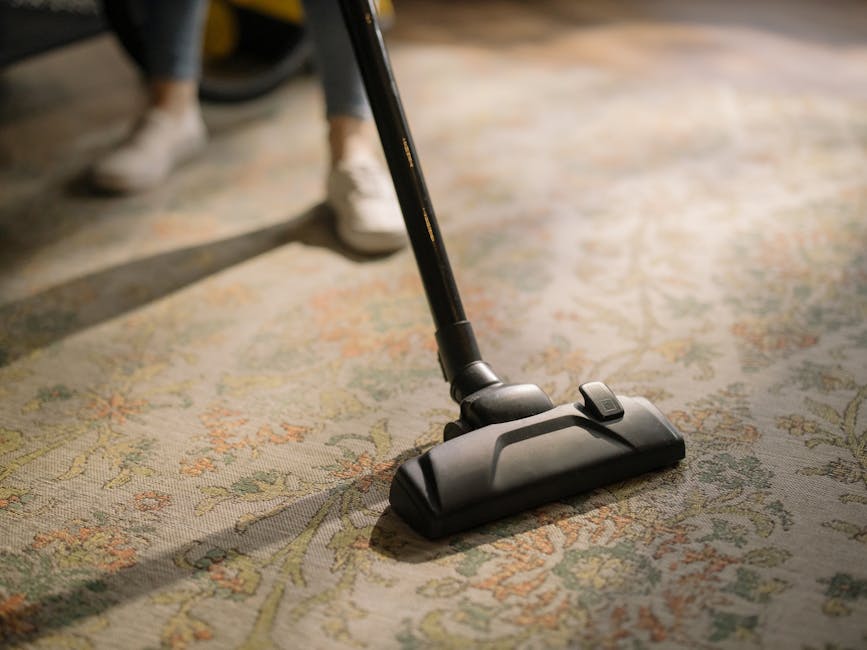
For jobs involving floors and high-traffic fibres, many businesses combine general surface cleaning with more focused treatments such as commercial carpet cleaning and, where appropriate, steam carpet cleaning. That gives you flexibility: a reception area can be deep-cleaned without turning the whole site upside down.
A typical workflow looks like this:
- Initial enquiry and discussion of the premises.
- Site review, photos, or a short inspection if needed.
- Identification of cleaning scope, timings, and risk points.
- Confirmation of insurance, methods, and expectations.
- Carrying out the clean with appropriate protection for surfaces and occupants.
- Final check, feedback, and any follow-up recommendations.
That is the broad shape. The details vary, naturally, but the principle stays the same: assess, protect, clean, verify.
Key Benefits and Practical Advantages
There are obvious benefits, and then there are the quieter ones that only become clear once you have had a few cleaning cycles under your belt. The obvious ones first.
- Reduced business risk: insurance provides a safety net if something goes wrong during the visit.
- Better presentation: cleaner floors, clearer air, and less visible wear all help your premises look more professional.
- Less disruption: a commercial cleaner should work around your opening hours where possible.
- Better asset care: carpets, upholstery, and fabric finishes last longer when they are cleaned correctly.
- Improved first impressions: customers notice freshness, even if they do not consciously analyse it.
Then there are the less dramatic but very real benefits. Staff tend to feel better in a tidy, well-kept environment. Clients are often calmer in a reception area that does not feel neglected. And for office managers, cleaner surroundings can make a workplace feel more orderly, which, frankly, helps everyone get on with their day without the background irritation of grime or stale smells.
There is also an operational advantage. A proper commercial cleaner can help you plan maintenance rather than waiting for visible damage. That means you are not reacting to every mark and stain as a mini-crisis. You get ahead of the mess. That alone can save a lot of awkward conversations.
For businesses with mixed soft furnishings, it can be helpful to combine the main service with more targeted treatments. A stained chair might need upholstery cleaning, while an entrance mat or small feature textile may benefit from rug cleaning. And if you have a waiting area with fabric seating, sofa cleaning may be the difference between "fine" and actually pleasant.
Who This Is For and When It Makes Sense
This kind of service is a strong fit for any Surbiton business that has customer-facing space, shared staff areas, or valuable interior finishes that need proper care. That includes independent shops, office suites, clinics, salons, letting agents, consultancies, and managed premises where appearance and hygiene are part of the brand.
It is especially useful when:
- you have carpets or upholstered seating that see daily use;
- you want work done outside normal hours;
- you are responsible for a property and need cleaner accountability;
- you have staff or visitors moving through the same areas all day;
- you are preparing for a busy period, inspection, client visit, or seasonal refresh.
If you only need a quick surface tidy, a basic janitorial service may be enough. But if you are dealing with deeper soil, stubborn marks, or a more presentable standard, insured commercial cleaning is the safer choice. In a small shop, even one bad spill near the entrance can set the tone for the whole day. In an office, a tired-looking carpet can quietly drag down the feel of the room. You notice it more than you expect.
It also makes sense when you need specialist treatment for specific issues. A coffee splash on a fabric chair, a muddy trail on carpet tiles, or an odour problem from a damp patch is not something you want handled casually. For those kinds of problems, stain removal and, where relevant, pet stain odour removal can be part of a wider commercial cleaning plan.
Step-by-Step Guidance
If you are comparing providers or planning your first booking, the easiest way to stay in control is to follow a simple process. Nothing fancy. Just a sensible checklist mindset.
- Define the space. Note the rooms, floor types, seating, entrances, and any delicate items.
- List the problems. Stains, odours, traffic lanes, dull carpet, dust build-up, or fabric marks.
- Decide the timing. Early morning, evening, weekend, or split visits can reduce disruption.
- Ask about insurance and safety. A reputable cleaner should explain both clearly.
- Clarify the method. Different fibres and surfaces need different treatment.
- Confirm what is included. Make sure high-traffic zones, edges, and problem spots are covered.
- Prepare the area. Move small items, secure valuables, and flag anything fragile.
- Check the results. Walk through the space before the team leaves, if possible.
That last step matters more than people think. It gives you a chance to spot a missed patch or raise a concern while everything is still fresh. Much easier than trying to reconstruct what happened two days later from a vague memory and a half-sent email.
If you are comparing costs or planning a recurring schedule, the pricing and quotes information can help you think about the work in a more structured way. And if you want to understand practical working terms before confirming a booking, it is worth reviewing the terms and conditions so expectations are aligned from the outset.
Expert Tips for Better Results
In practice, the best results usually come from good preparation, honest communication, and the right method for the material. That sounds obvious, but the devil really is in the details.
1. Treat entrances as priority zones. The front of the premises often carries the heaviest load: grit, rainwater, shoe marks, and a bit of everything else. Clean that properly and the whole place feels better.
2. Don't ignore "small" stains. A tiny coffee mark on one chair becomes tomorrow's visual annoyance. Deal with it early. Much easier.
3. Ask for method matching. A steam method may be ideal for one carpet type but unnecessary for another surface. Experienced cleaners will not use a one-size-fits-all approach.
4. Think about drying time. Businesses often forget that cleaning is not finished the moment the machine stops. Drying matters, especially in offices where people return almost immediately.
5. Keep a simple cleaning log. Nothing elaborate. Just dates, areas, and any known problem spots. This helps with planning and avoids repeated guesswork.
6. Prioritise safety over speed. Quick work is nice; careful work is better. A damp floor in a customer path is not a minor detail.
A small tip from everyday practice: if your shop or office has a fabric chair that gets the same cup of tea spill every few months, tell the cleaner before they arrive. They will probably thank you, and the result will usually be better the first time. A lot better.
Common Mistakes to Avoid
Many businesses only think about cleaning when the premises already look tired. That is one mistake. Here are a few others that come up again and again.
- Choosing on price alone: cheapest is not always best when the work involves carpets, fabrics, or customer-facing rooms.
- Assuming all insurance is the same: ask what is covered and what the provider expects from you.
- Not checking the cleaning method: some methods are better for certain materials than others.
- Leaving it too long: deep soil becomes more difficult to remove the longer it sits.
- Forgetting the edges and corners: those are often the places that make a space look unfinished.
- Not planning around business hours: a brilliant clean can still be a headache if it clashes with customers or meetings.
Another common one: people book a "general clean" when they actually need targeted treatment for carpet lanes, chair marks, or odours. That can lead to disappointment, even if the cleaner did a decent job. Be specific. It helps everyone.
Tools, Resources and Recommendations
You do not need to become a cleaning technician to make a smart decision, but a basic understanding of what is being used goes a long way. Most professional commercial cleaners will rely on a mix of machine extraction, hot water or steam-based methods, spot treatment, fabric-safe products, and careful agitation where needed.
For soft furnishings and fabric surfaces, the right treatment depends on the material and the type of soiling. That is where specialised services can help. If the focus is carpets, the page on carpet cleaning is useful for understanding the broader service family. If there is a specific sofa or reception seat issue, upholstery cleaning is the better fit. For domestic-style furniture used in offices or staff lounges, sofa cleaning may be the right reference point.
Useful things to ask a provider before booking:
- What insurance cover do you carry for commercial work?
- How do you protect adjoining furniture, flooring, and fixtures?
- What drying time should we expect?
- Can you handle traffic lanes, stains, and spot problems separately?
- Do you provide written quotes or a clear scope of work?
If you want to compare providers in a more structured way, it may also help to read the company's pages on about us and health and safety policy. Those pages often tell you more about working standards than a sales pitch ever will.
Law, Compliance, Standards, or Best Practice
For commercial premises, cleaning is not just about appearances. There are also practical duties around safety, hygiene, and the management of risks to staff and visitors. You do not need to turn this into a legal seminar, but you do need to take it seriously. A business that hires a cleaner is still responsible for what happens on site.
Best practice usually means a few straightforward things: risk-aware cleaning methods, clear communication about wet floors and drying, suitable products for the surface being treated, and sensible record-keeping for recurring maintenance. If a cleaner is working in a public-facing area, they should be mindful of access routes, trip hazards, cords, and the movement of staff and customers. That is the kind of common-sense professionalism that keeps things calm.
If you are unsure about environmental or handling standards, the company's own policy pages can be useful. For example, the information on recycling and sustainability can help you judge whether their approach aligns with your business values, especially if you prefer a lower-waste way of working.
One small but important point: insurance is not a substitute for care. It is there to support responsible work, not replace it. The best providers understand both sides of that. They clean carefully first, and then carry the right cover as a backstop. That is the sensible order, really.
Options, Methods, or Comparison Table
Different commercial spaces need different approaches. The table below gives a plain-English comparison of common options you may come across when arranging cleaning for shops and offices.
| Method | Best for | Strengths | Watch-outs |
|---|---|---|---|
| Standard maintenance cleaning | Light upkeep and visible tidying | Quick, regular, low disruption | May not remove deep soil or stubborn marks |
| Commercial carpet cleaning | Reception areas, corridors, and office carpets | Improves appearance and extends carpet life | Needs suitable drying time and preparation |
| Steam or hot water extraction | Deep carpet refresh, traffic lanes, embedded dirt | Strong cleaning power for many fibres | Not ideal for every material; drying must be managed |
| Upholstery cleaning | Office chairs, waiting room seating, fabric furniture | Targets odours, spots, and built-up grime | Material testing and careful product choice matter |
| Stain-focused treatment | One-off marks or problem spots | Good for visible issues and fast improvement | Results vary by stain age and fabric type |
To be fair, most real jobs are a combination of these rather than one neat category. A Surbiton office might need carpet work in the corridor, stain treatment in a meeting room, and chair cleaning in the reception. That mix-and-match approach is often the smartest route.
Case Study or Real-World Example
Here is a realistic example. A small Surbiton office with a front reception, a short corridor, and a waiting area started noticing that the carpet near the entrance was darkening faster than the rest of the floor. Staff also mentioned a faint stale smell after rainy days, which is one of those things you barely notice at first and then suddenly cannot ignore.
Rather than waiting for the carpet to look visibly worn, the business arranged an insured commercial clean with a focus on the entrance zone, hallway traffic lanes, and a couple of fabric chairs in the waiting area. The cleaner worked around opening hours, protected nearby surfaces, and used a targeted approach rather than over-wetting everything.
The result was not magic, and no sensible cleaner would pretend otherwise. But the space looked fresher, the fabric chairs no longer drew the eye for the wrong reasons, and staff reported that the office felt better to walk into. That is often the real win. Not dramatic, just noticeably better. And in a small business, that counts for a lot.
A similar pattern can happen in a shop: the floor near the till or entrance gets hit hardest, while display areas stay fine. Focused cleaning in the pressure points usually gives the biggest return for the least disruption.
Practical Checklist
Use this checklist before you book insured commercial cleaning for your Surbiton shop or office.
- Identify the rooms, surfaces, and problem areas that need attention.
- Decide whether you need one-off cleaning or a recurring schedule.
- Ask what insurance and safety precautions are in place.
- Confirm the cleaning method suits your flooring and furnishings.
- Check how long drying is likely to take.
- Ask whether stain treatment or odour work is included or separate.
- Make sure the timing fits your opening hours or staff schedule.
- Request a clear quote and scope of work.
- Review terms, payment details, and any site access requirements.
- Walk through the results before the team leaves, if you can.
Practical summary: the best outcome usually comes from clear expectations, the right method, and a provider that treats risk as part of the job rather than a footnote.
Conclusion
Insured commercial cleaning for Surbiton shops and offices is really about confidence. Confidence that the work will be done carefully, that your premises will be respected, and that if something unexpected happens, there is proper cover in place. For busy local businesses, that combination matters. It keeps cleaning from becoming another headache and turns it into a dependable part of how the place runs.
Whether you manage a compact office, a customer-facing shop, or a mixed-use space with carpets, soft furnishings, and daily footfall, the best approach is the same: choose a provider who communicates clearly, works safely, and understands commercial pressure points. That way, your space stays presentable without becoming a constant maintenance drama. Which, let's face it, is what everyone wants.
Get a free quote today and see how much you can save.
Frequently Asked Questions
What does insured commercial cleaning actually mean?
It means the cleaning provider carries insurance relevant to the work they do, so there is protection in place if accidental damage or a similar issue occurs while they are on site.
Why is insurance so important for shops and offices?
Shops and offices often contain customers, staff, stock, equipment, and delicate finishes. Insurance adds reassurance and helps reduce the business risk of bringing a contractor onto the premises.
Can insured commercial cleaning be done outside business hours?
Yes, often it can. Many providers work early mornings, evenings, or weekends to reduce disruption. That is especially useful for customer-facing spaces or busy offices.
How often should a Surbiton office or shop be professionally cleaned?
It depends on footfall, flooring, and the type of business. Some spaces need regular maintenance, while others only need deeper treatment a few times a year. High-traffic areas usually need attention sooner.
What areas of a commercial premises benefit most from cleaning?
Entrances, corridors, reception areas, office carpets, waiting areas, and upholstered seating are the spots that usually show wear fastest. Those are often the best places to start.
Is steam cleaning suitable for all commercial carpets?
Not always. Steam or hot water extraction can be very effective, but the right method depends on the carpet fibre, backing, and drying conditions. A good cleaner should assess that first.
Can commercial cleaning remove old stains completely?
Sometimes yes, sometimes only partly. Results depend on the stain type, how long it has been there, and the fabric or fibre involved. The sooner a stain is treated, the better the odds.
What should I ask before booking a cleaner?
Ask about insurance, cleaning methods, drying times, what is included in the quote, and how they protect nearby furniture and fixtures. Clear answers usually signal a professional setup.
Do I need to prepare the premises before cleaning?
Usually, yes. Removing small items, securing valuables, and flagging fragile areas helps the team work efficiently and safely. It also reduces the chance of misunderstandings.
How do I compare commercial cleaning quotes fairly?
Compare the scope of work, the methods used, insurance cover, timing, drying expectations, and any exclusions. A lower price may not be the better deal if it leaves out key areas.
Can upholstery and carpets be cleaned together?
Yes, and that is often sensible in offices and shops with waiting areas or staff seating. Combining services can create a more consistent finish across the premises.
What if I have a complaint or issue after the job?
Check the provider's complaints process and terms so you know the next step. A serious business should have a clear route for resolving problems calmly and properly.